
New Delhi: The National Pharmaceutical Pricing Authority (NPPA) has fixed the retail prices of 39 pharmaceutical formulations, a move aimed at ensuring that commonly used medicines remain affordable and accessible to patients across the country.
The revised pricing, notified under the provisions of the Drugs (Prices Control) Order (DPCO), 2013, applies to a range of medicines used in the treatment of chronic and life-threatening illnesses, including hypertension, diabetes, cardiovascular diseases and several other medical conditions.
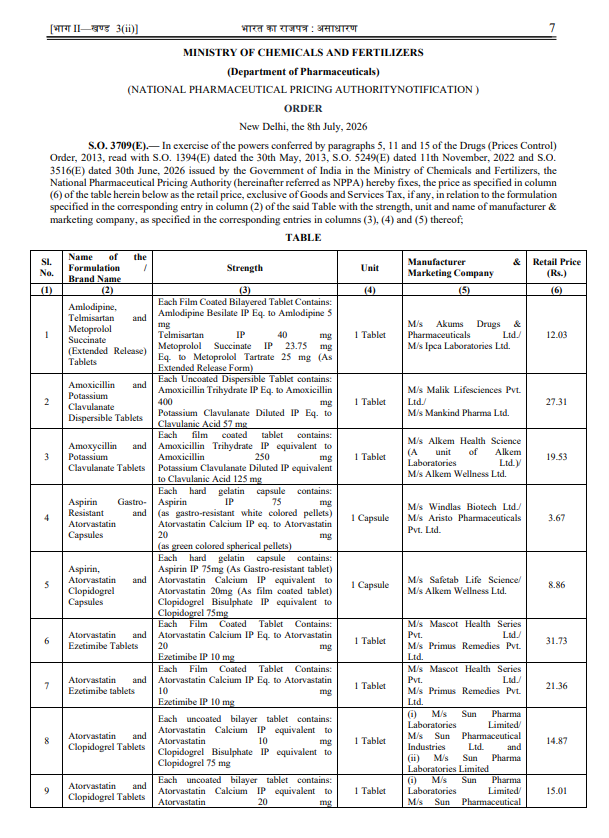
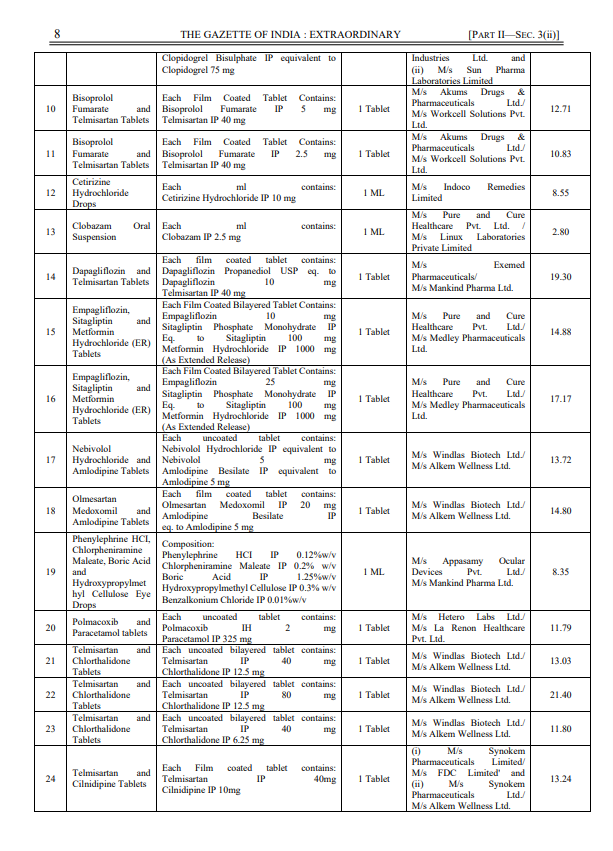
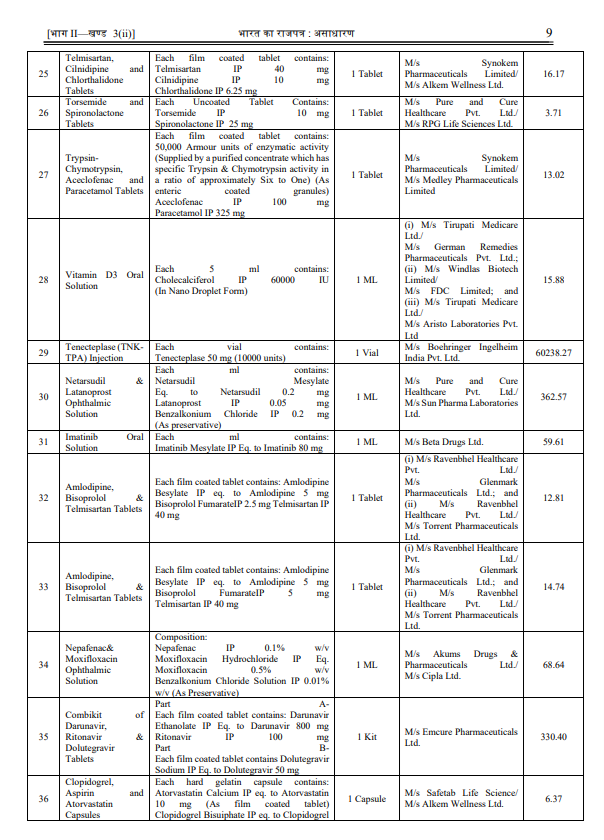
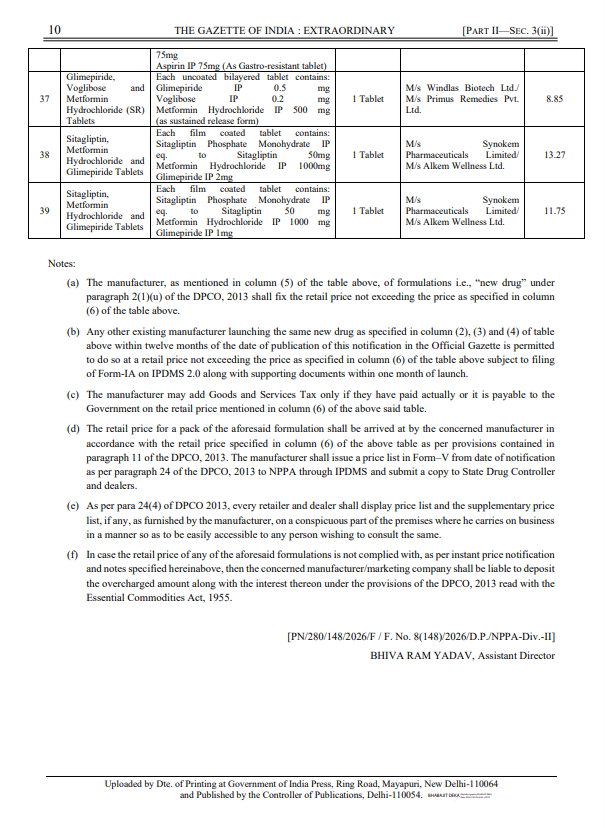
According to the notification, pharmaceutical companies introducing these formulations into the market will be required to adhere to the retail prices approved by the NPPA. Manufacturers will not be permitted to market the products above the prescribed ceiling, except where applicable taxes are allowed under the pricing regulations.
The newly notified list includes medicines used for blood pressure management, anti-diabetic therapies, cardiac care, antibiotics, pain management, vitamin supplements and other essential treatments. Officials said the pricing exercise is part of the government’s ongoing efforts to regulate medicine costs while ensuring patients have access to quality healthcare at reasonable prices.
The NPPA periodically reviews drug prices based on provisions laid down under the DPCO framework. Retail prices are determined after evaluating factors such as manufacturing costs, market data and regulatory guidelines.
Health sector experts believe the latest decision is expected to benefit patients who require long-term medication, particularly those suffering from chronic illnesses that involve continuous treatment and recurring expenditure.
The authority has directed all concerned pharmaceutical companies to implement the revised prices in accordance with the notification. Any violation of the prescribed pricing norms could invite action under the provisions of the Essential Commodities Act and the Drugs (Prices Control) Order.
The latest revision reflects the Centre’s continued focus on balancing affordable healthcare for consumers while maintaining regulatory oversight over the pharmaceutical market.
