
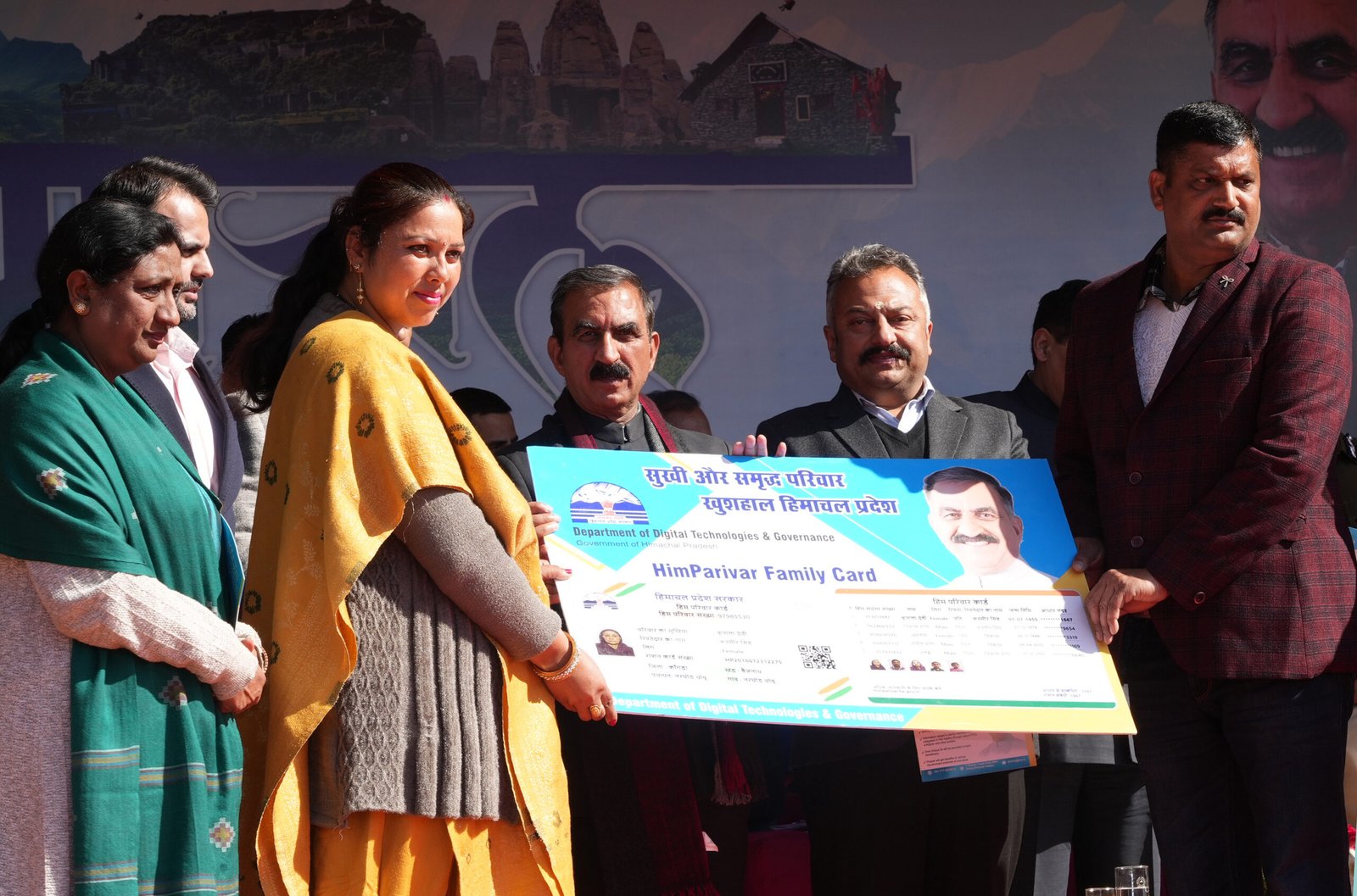
Shimla: In an era where governance is increasingly defined by the intelligent use of data, Himachal Pradesh has emerged as a frontrunner with its pioneering ‘Him Parivar’ initiative. Spearheaded under the visionary leadership of Chief Minister Thakur Sukhvinder Singh Sukhu, the programme represents a paradigm shift from fragmented service delivery to an integrated data-driven governance model.
Announced in the 2023-24 Budget, Him Parivar was conceptualized to bring every citizen of the state onto a single digital platform by creating a unified and verified family database. Today, this vision has translated into a massive State Social Registry covering 19,25,258 families and 75,92,697 individuals, making it one of the most extensive consolidated citizen databases in the region. This scale not only reflects administrative efficiency but also marks a transition towards precision governance, where policies are backed by real-time, verified data.
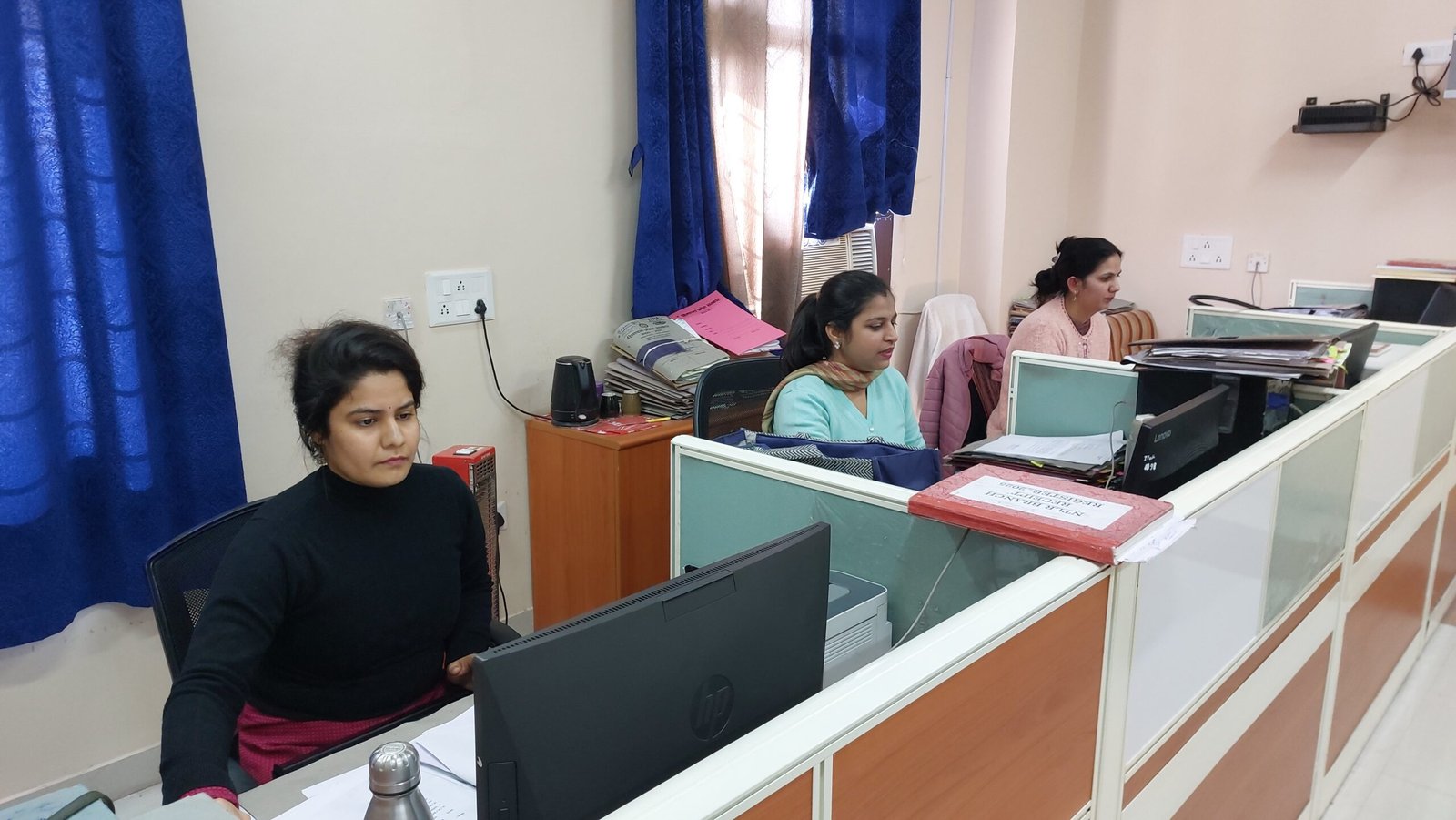
At the heart of this transformation lies the HimAccess Single Sign-On system, which has revolutionized citizen interaction with government services. With over 7.2 lakh registered users and nearly 46,000 government employees on board, the platform has created a unified digital gateway, eliminating redundancies and significantly reducing the time and effort required to access services. What once required multiple registrations and physical documentation is now streamlined into a single, secure digital identity.
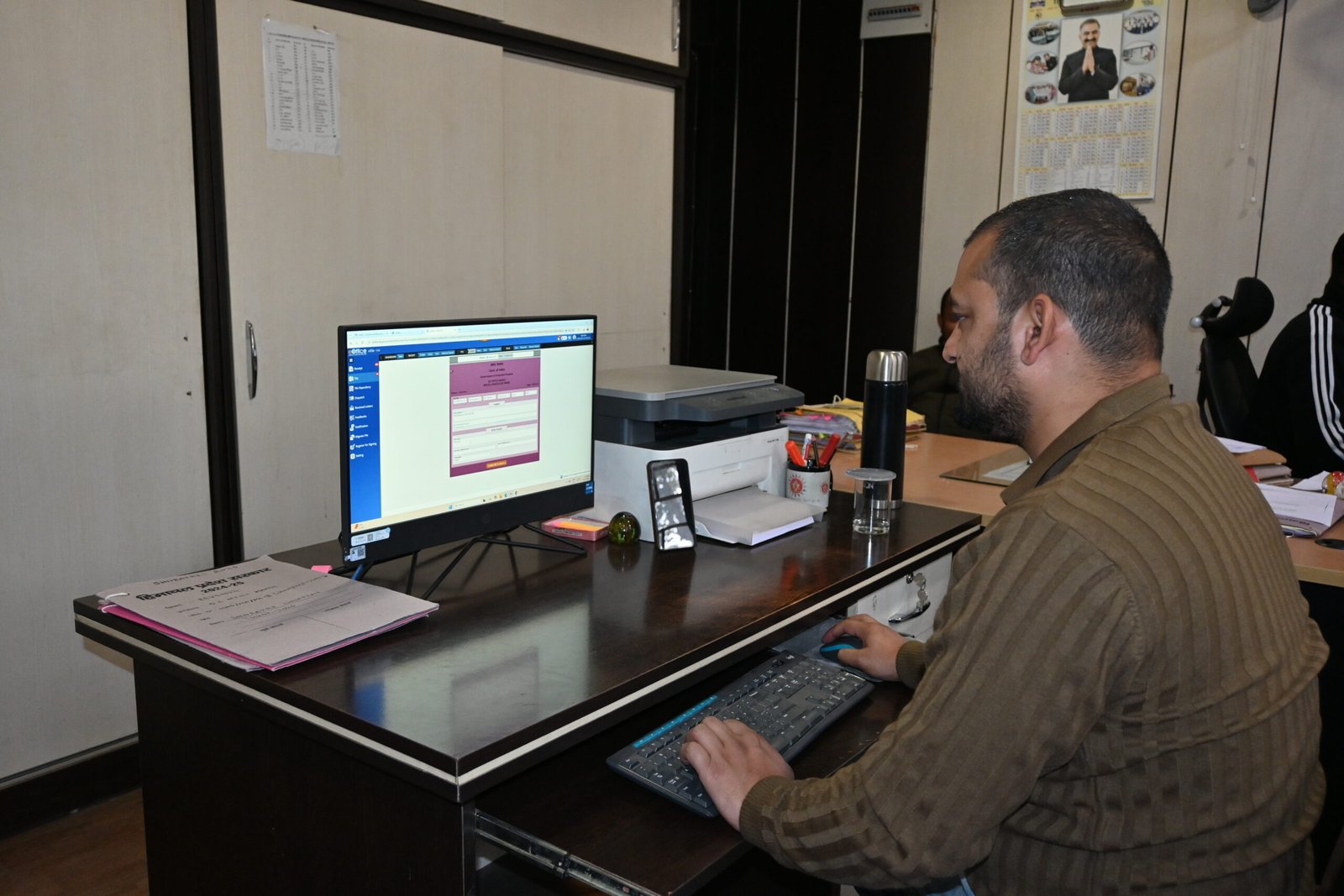
The strength of the initiative lies in its rigorous data validation and integration processes. Through mobile-based surveys and real-time verification mechanisms, the government has ensured continuous updating and accuracy of records. This has enabled the identification of discrepancies at scale, 39,697 deceased, 5,595 ineligible and 600 untraceable beneficiaries were detected within social security pension schemes alone. The removal of such discrepancies has resulted in monthly savings of approximately Rs. 5 crore, underscoring the financial prudence embedded in the system. Additionally, verification of pending cases involving over 1,07,071 beneficiaries, with an estimated monthly outlay of Rs. 11 crore, further highlights the initiative’s potential for fiscal optimization.
Sectoral integration has been another defining achievement. The mapping of 23,91,536 domestic electricity connections, verification of 14,77,098 land records and surveys of 2,11,698 urban families (covering over 6.63 lakh individuals) demonstrate the breadth of the initiative. Similarly, targeted surveys such as those for construction workers and welfare beneficiaries have strengthened the inclusivity and reach of government schemes.
What sets Him Parivar apart is not merely its scale, but its ability to convert data into actionable governance. By integrating with national platforms and enabling automatic identification of eligible beneficiaries, the system ensures that welfare schemes are both accessible and equitable. It reduces leakages, enhances transparency and builds a governance framework where benefits are delivered with accuracy and speed.
Equally significant is the initiative’s forward-looking design. With continuous data updates through surveys, departmental linkages and civil registration systems, the platform remains dynamic and future-ready. Its adherence to data protection principles and regulatory frameworks ensures that technological advancement is balanced with citizen privacy and security.
In comparative terms, Him Parivar represents a shift from isolated departmental databases to holistic governance architecture, where one verified dataset serves multiple purposes, from service delivery to policy formulation. This integration not only reduces duplication but also enhances administrative coherence across sectors.
As the state government continues its sustained efforts to strengthen the foundations of Himachal Pradesh, Him Parivar has emerged as a compelling example of how digital innovation anchored in clear vision and decisive leadership can transform governance. Under the stewardship of Chief Minister Thakur Sukhvinder Singh Sukhu, the initiative underscores that data is not merely an administrative tool, but a driving force for transparency, efficiency and inclusive growth, reshaping the way public services are delivered across the state.
In bringing together millions of citizens onto a single digital framework, the state government is not just managing data but also shaping a smarter, more responsive future for governance.
