
Shimla: Development in Himachal Pradesh’s tribal regions presents unique administrative and logistical challenges. Spreading across the high-altitude districts and sub-divisions of Lahaul-Spiti, Kinnaur, Pangi and Bharmour, these areas are characterized by sparse population, difficult terrain and prolonged winters that affect connectivity and service delivery. Recognizing these challenges, the state government under the leadership of Chief Minister Thakur Sukhvinder Singh Sukhu has continued to prioritize tribal development through focused investments in education, healthcare, infrastructure, livelihoods and social welfare.
Scheduled areas comprise 42.49 percent of Himachal Pradesh’s geographical area but are home to only 3.92 lakh people, representing 5.71 percent of the State’s population. Population density in these regions stands at just seven persons per square kilometre against the state average of 123. Despite these constraints, the state government has achieved hundred percent electrification and safe drinking water coverage in all permanent and seasonal tribal habitations. The tribal population also records a favourable sex ratio of 1,018 females per 1,000 males compared to the state average of 972.
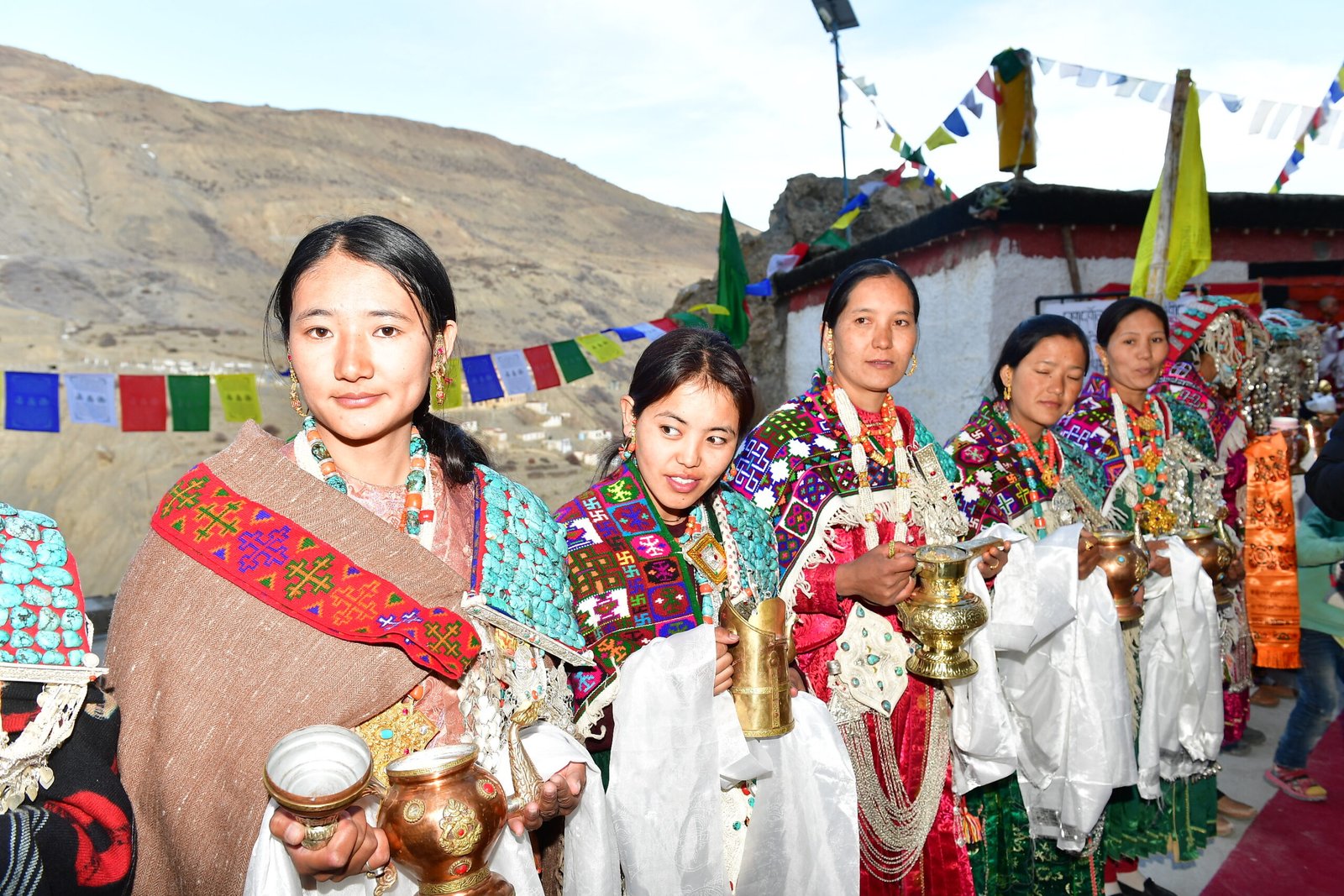
The State Government continues to earmark nine percent of its annual development outlay under the Tribal Sub Plan (STP), significantly higher than the Scheduled Tribe population share. During 2024-25, Rs. 890.28 crore was allocated under STP, while Rs. 638.73 crore has been provided under the Scheduled Tribe Component for 2025-26.
Education remains a key priority of the present state government. During 2025-26, 3,361 tribal students were benefited under the pre-matric scholarship scheme, 5,693 received post-matric scholarships and 304 received merit scholarships. Four Eklavya Model Residential Schools with an enrolment of 1,008 students continue to produce outstanding results, with students securing admission to IITs, medical colleges, IISER and other premier institutions. Educational infrastructure is also being strengthened through hostels, classrooms, libraries and teacher accommodation in the tribal areas.
Healthcare delivery in tribal regions has witnessed significant improvement. The tribal belt is served by two district hospitals, six community health centres, 49 primary health centres and 123 health sub-centres. In addition, 568 Anganwadi Centres are providing nutrition and maternal and child healthcare services to 5,084 Scheduled Tribe beneficiaries. A major achievement of the present state government has been the establishment of Adarsh Swasthya Sansthans in Lahaul-Spiti and Bharmour, equipped with specialist doctors, MRI and CT scan facilities, laboratories and adequate nursing and paramedical staff, bringing advanced healthcare services closer to remote communities.
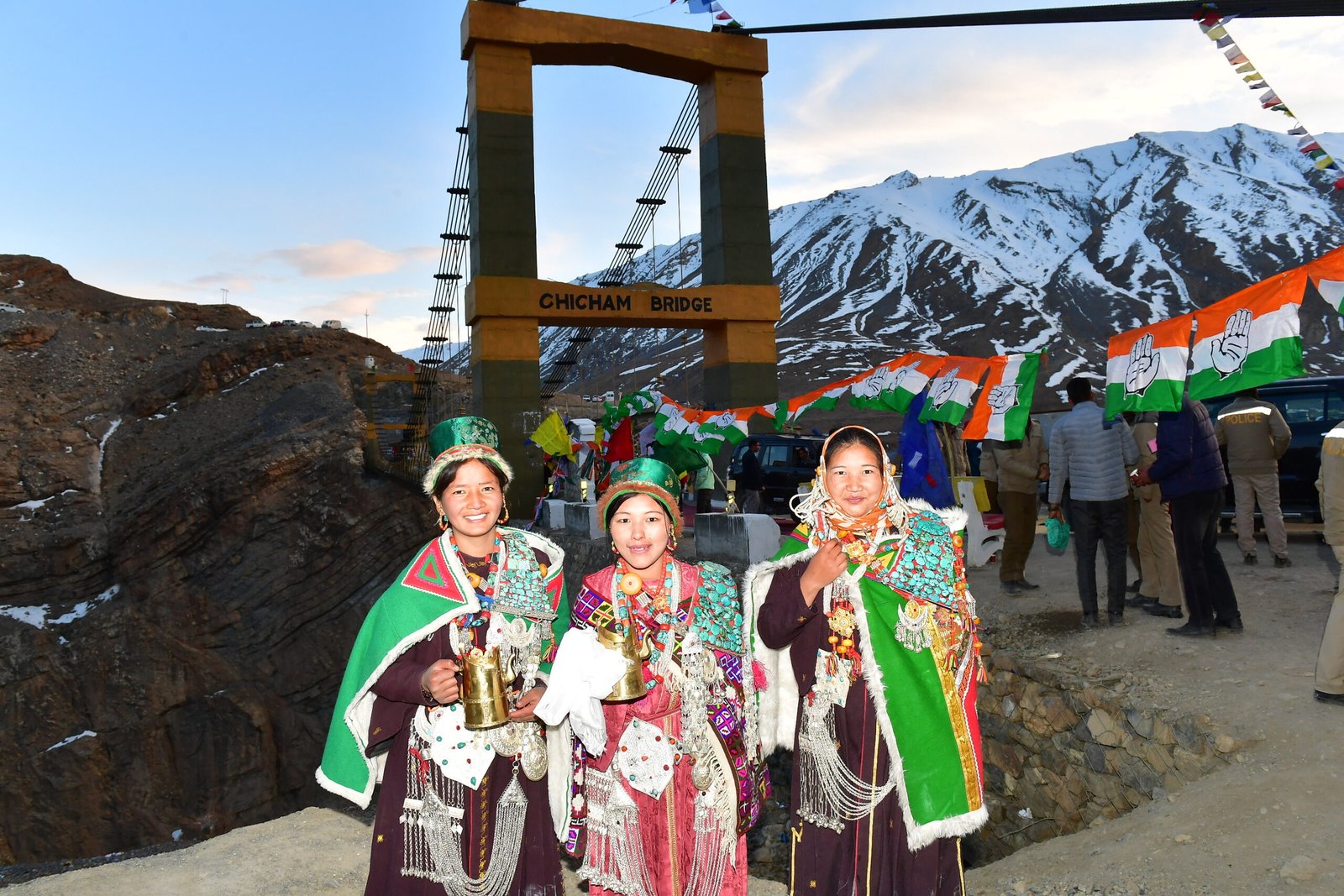
Livelihood generation continues to receive sustained attention. Under the Mukhyamantri Krishi Samvardhan Yojana, 9,000 quintals of certified seed and 3,200 metric tonnes of fertilizer were distributed during 2025-26 at an expenditure of Rs. 197.05 lakh. Over the last three years, 815 tribal youth received training through Rural Self Employment Training Institutes, with 577 securing employment or establishing self-employment ventures. Employment Exchanges registered 6,576 Scheduled Tribe job seekers during 2025-26.
Women empowerment has emerged as another important pillar of development, with 3,234 women from tribal communities becoming Lakhpati Didis through Self-Help Groups and livelihood programmes. Further strengthening social security, eligible women in tribal areas are receiving financial assistance of Rs. 1,500 per month under the Indira Gandhi Pyari Behna Sukh Samman Nidhi Yojana.
The decision to celebrate Himachal Day in Kaza marks the first such celebration in Spiti Valley in the state’s 75-year history symbolized the government’s commitment to taking governance to the doorstep of tribal communities and ensuring inclusive development across the state’s remotest regions.
Infrastructure development remains central to improving living standards in tribal areas. Financial assistance under various schemes of the state government has supported projects including teacher residential complexes, civil hospitals, Anganwadi centres, conference-cum-library buildings, tribal museums, EMRS hostels and the tourism park-cum-complex at Ladarcha.
The State Government is also promoting sustainable livelihoods through tourism and renewable energy. A five percent interest subsidy is being provided for establishing, expanding and upgrading homestays in tribal areas for investments up to rupees five crore, creating new opportunities for income generation and employment. Likewise, under the Rajiv Gandhi Swarozgar Start-up Scheme, a five percent interest subsidy is made available for setting up solar projects ranging from 100 kW to 2 MW on private land in tribal areas.
The Pangi Valley has emerged as a model of sustainable development after being declared state’s first natural farming sub-division. Supported by a revolving fund of rupees five crore and assured MSP of Rs. 60 per kilogram for naturally grown barley, the initiative promotes chemical-free and climate-resilient agriculture in the tribal belt.
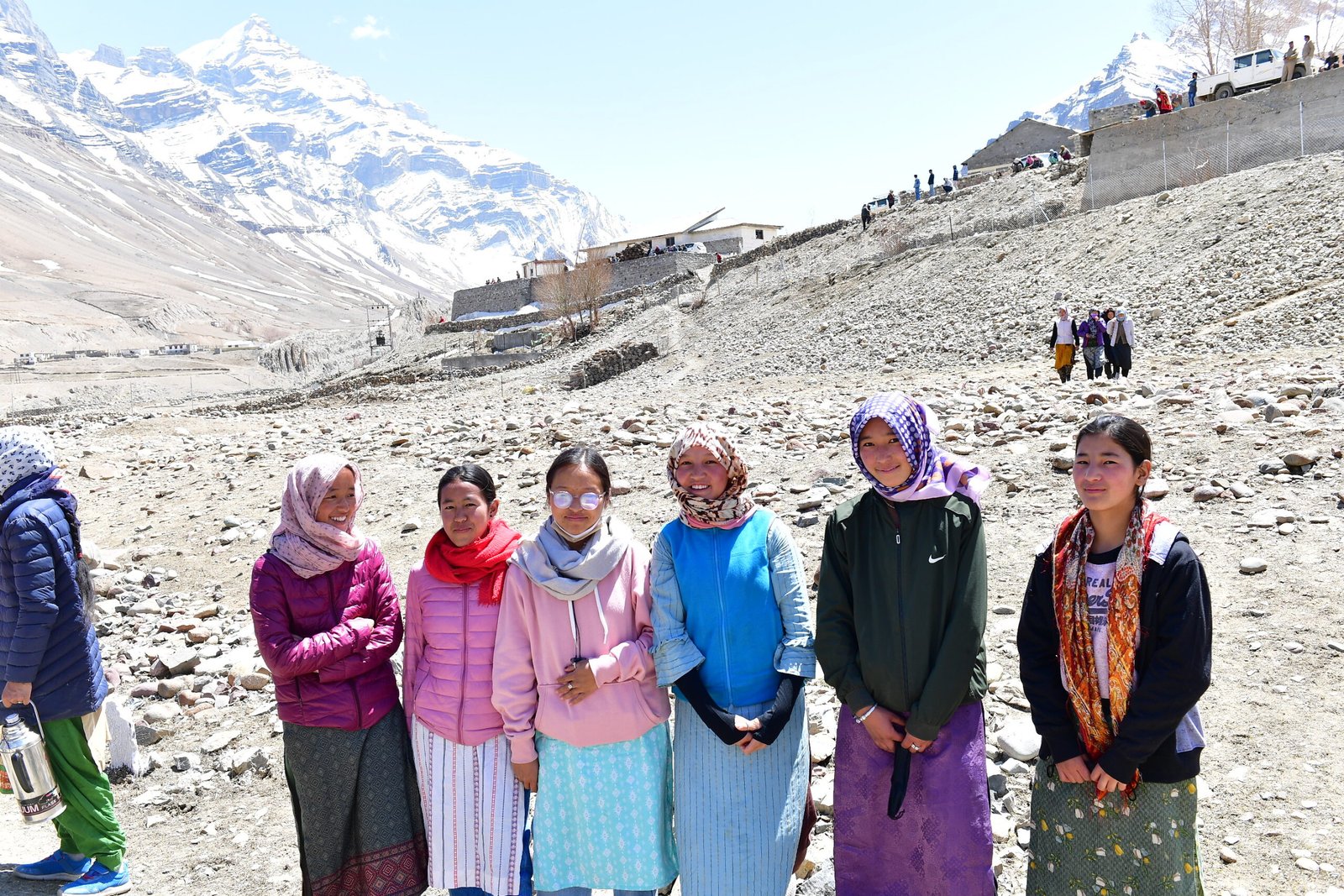
Digital connectivity is also transforming service delivery in remote regions. Under BharatNet, 3,793 kilometres of optical fibre have been laid, connecting 705 Gram Panchayats and facilitating access to digital governance, telemedicine, online education and banking services.
Another major initiative is the Dharti Aaba Janjatiya Gram Utkarsh Abhiyan, under which 270 villages across ten districts have been identified for integrated development through 25 interventions implemented by 17 Ministries. The programme has ensured universal tap water coverage, strengthened BharatNet connectivity, expanded LPG coverage and accelerated infrastructure development through departmental convergence.
The state government continues to support the preservation of tribal heritage through investments in museums, community libraries and cultural infrastructure, while promoting watershed management, natural farming and climate-resilient practices to safeguard the fragile Himalayan ecosystem.
Through continued investments in education, healthcare, women’s welfare, infrastructure, tourism, renewable energy, digital connectivity and sustainable livelihoods, the government is ensuring that the benefits of development reach every corner of the tribal belt while preserving its unique cultural identity.
