
CHANDIGARH, March 29, 2026: The Punjab Cabinet, under the leadership of Chief Minister Bhagwant Singh Mann, has taken several important decisions aimed at strengthening welfare, boosting development, and improving governance across the state.
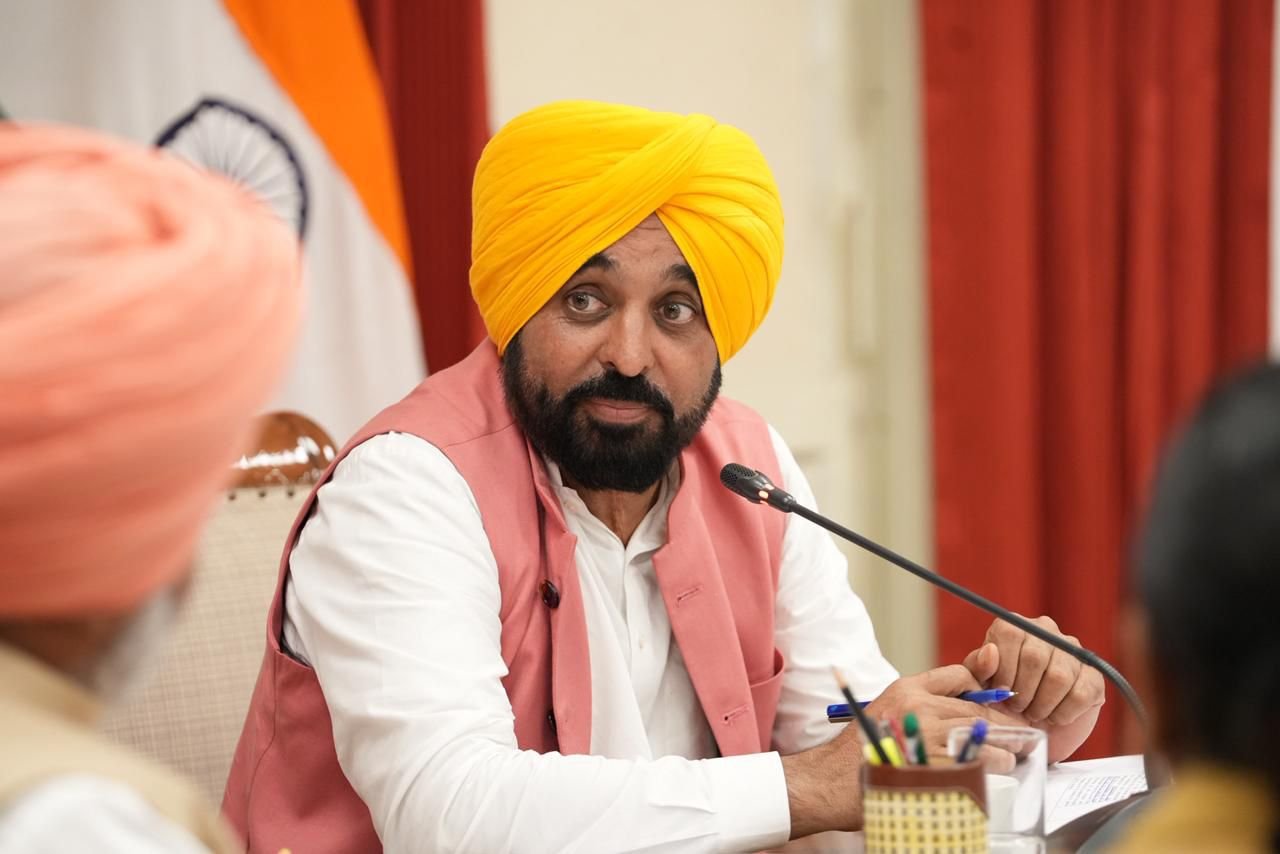
The most significant decision was the approval of the “Mukh Mantri Mawan Dheeyan Satkar Yojna,” a major scheme focused on providing direct financial support to women. The decision was taken during a Cabinet meeting chaired by the Chief Minister.
₹1000–₹1500 Monthly Aid for Women
Under the new scheme, all eligible women in Punjab will receive ₹1000 per month, while women belonging to Scheduled Castes will receive ₹1500 per month. The scheme is expected to cover more than 97% of women in the state, making it one of the largest women-focused welfare initiatives in India.
Officials said that the scheme aims to make women financially independent and give them the freedom to manage their own expenses. It will also help improve savings habits and encourage better financial planning among women.
The financial assistance will be transferred directly into the bank accounts of beneficiaries through the Direct Benefit Transfer (DBT) system. Importantly, there is no limit on the number of eligible women in a family who can avail benefits under this scheme.
Women aged 18 years or above, who are registered voters in Punjab and have valid Aadhaar and Voter ID, will be eligible to apply. Existing social security pension beneficiaries will continue to receive their pensions along with the benefits of this scheme.
To ensure smooth implementation, the government will run special outreach drives, especially in rural and underserved areas, to help women complete documentation, open bank accounts, and register for the scheme.
The government has already allocated ₹9,300 crore for this scheme in the 2026–27 budget, showing its large scale and importance.
Focus on Women Empowerment and Social Security
Officials highlighted that despite progress in social welfare, many women in Punjab still lack financial independence. This scheme is designed to address that gap and strengthen women’s role in household and economic decisions.
The initiative is expected to improve overall family welfare, promote gender equality, and enhance women’s participation in social and economic activities.
Approval for Jobs and Administrative Reforms
Apart from the welfare scheme, the Cabinet also approved the filling of 70 direct recruitment posts in the Department of Planning. This decision comes as part of administrative restructuring after the merger of the Economic Policy and Planning Board with the Directorate of Statistics.
The move is expected to strengthen planning and data management in the state, helping the government make better policy decisions.
Changes in Power Sector and Coal Operations
The Cabinet also approved amendments in the qualification and experience rules for the appointment of Chairman-cum-Managing Directors (CMDs) and Directors in PSPCL and PSTCL. This step is aimed at improving leadership and efficiency in the power sector.
In another important decision, the Cabinet gave approval to appoint statutory manpower and supporting staff on a contract basis for the Pachhwara Central Coal Mine in Jharkhand. This will help ensure smooth operation and maintenance of the mine, which is important for Punjab’s power generation.
An empowered committee has also been set up to oversee recruitment and related decisions for the coal mine project.
Boost to Industry and Infrastructure
To support industrial growth, the Cabinet approved amendments in the policy for converting leasehold industrial plots into freehold. Industrial units with plots mortgaged to banks can now apply for conversion, subject to certain conditions and approvals.
A conversion fee of 5% will be charged in cases where current ownership documents do not include certain clauses. This move is expected to make it easier for industries to access funding and expand operations.
The Cabinet also approved the introduction of the Punjab Common Infrastructure (Regulation and Maintenance) (Amendment) Bill, 2026. The aim is to improve the management of industrial areas through Special Purpose Vehicles (SPVs).
These SPVs will be responsible for maintaining infrastructure such as roads, street lights, drainage systems, parks, and security services in industrial zones. A District Monitoring Authority will also be set up to oversee their functioning and resolve disputes.
River Management and Highway Development
In a step towards better infrastructure and flood management, the Cabinet approved relaxation in rules for desilting in River Sutlej. This will help provide material for National Highways Authority of India (NHAI) projects and support faster construction of highways.
Officials said this is part of a larger plan to improve river management and reduce flood risks in the state.
Government’s Focus on Inclusive Growth
Overall, the Cabinet decisions reflect the Punjab government’s focus on inclusive growth, welfare, and development. From financial support for women to improvements in infrastructure, power, and industry, the government aims to ensure that the benefits of development reach every household.
Officials said that these steps will play a key role in strengthening the state’s economy and improving the quality of life for people across Punjab.
